May 26, 2026 · 5 min read
How to Teach Colors to Toddlers (Without the Flashcards)
Most toddlers learn to name colors between ages 2 and 3, and the fastest route is surprisingly specific: say the color word after the object ('the ball is red', not 'the red ball'), practice sorting before quizzing, and give lots of low-pressure exposure through coloring and matching play.
Why 'the ball is red' beats 'the red ball'
Research on toddler language acquisition found that children map color words far more easily when the color comes after the noun. 'Look, the cup is blue' tells a toddler exactly which property you're labeling; 'the blue cup' buries it. This one phrasing habit measurably speeds up color learning.
Sort first, quiz never
Sorting (put all the red blocks in this bowl) lets toddlers demonstrate color discrimination before they can produce the words — which builds confidence instead of anxiety. Constant quizzing ('what color is THIS?') does the opposite. Offer the word freely hundreds of times; the child will start producing it on their own schedule.
Coloring as color practice
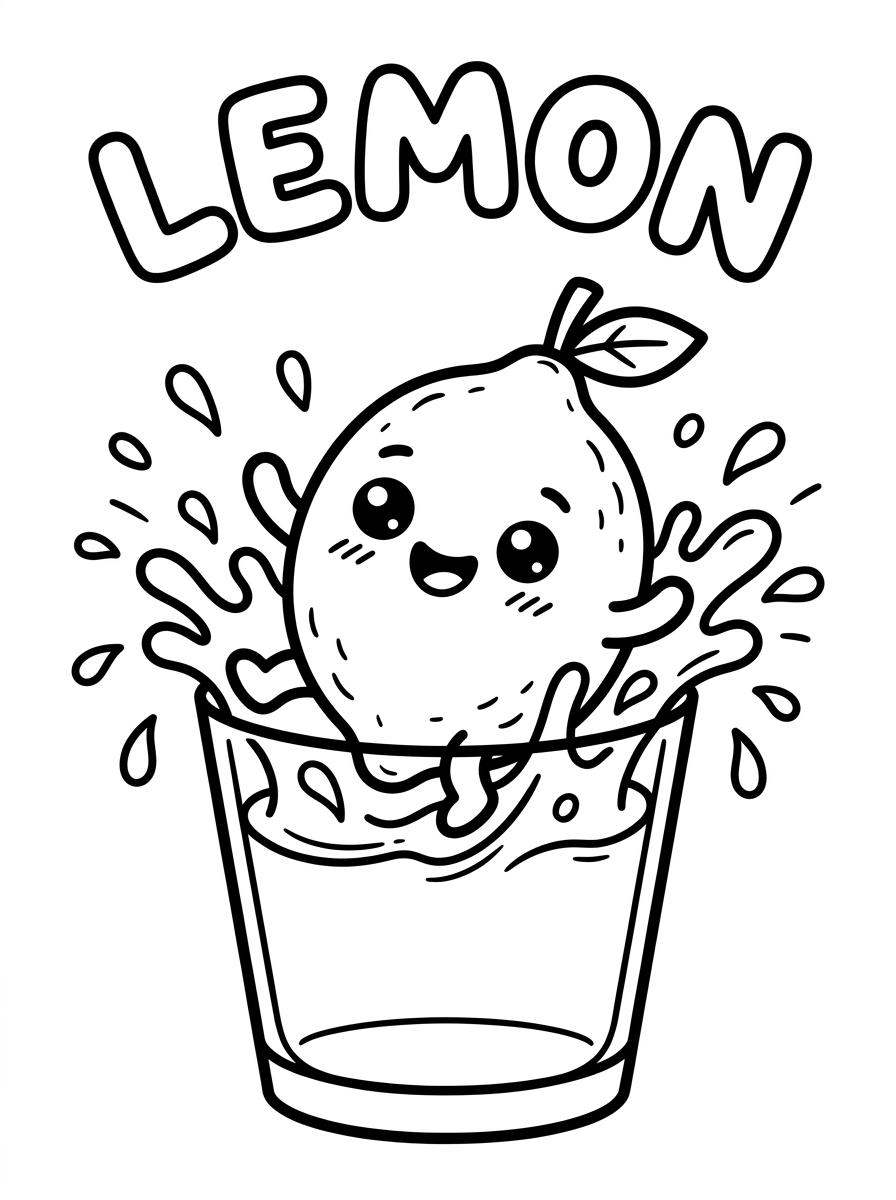
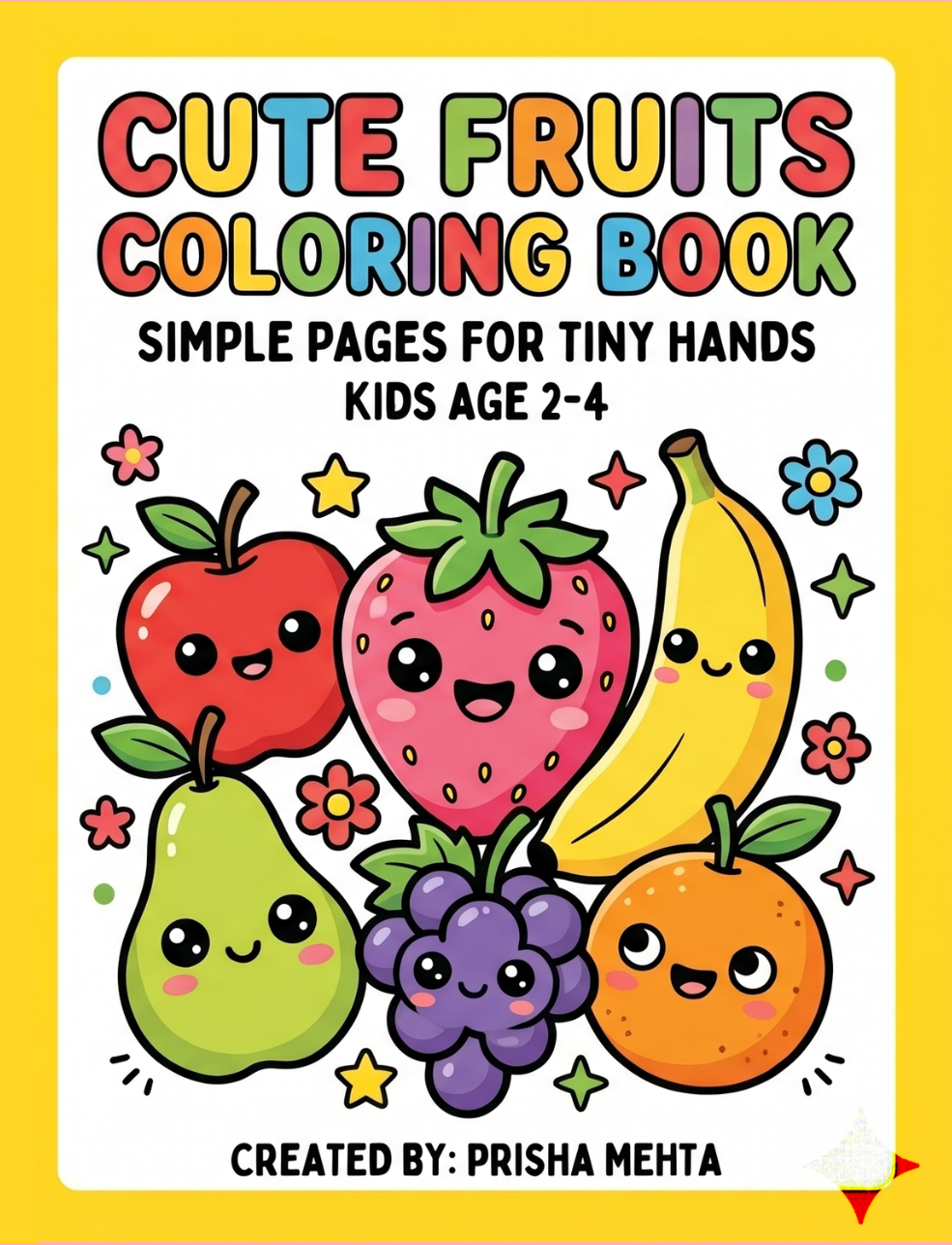
Coloring pages are natural color-vocabulary sessions: the child physically chooses a crayon while you casually name it. Fruit pages work especially well because fruits have 'famous' colors — bananas invite yellow, strawberries invite red — creating a gentle right-answer feeling without any test. Our free fruit count-and-color worksheet doubles as counting practice.
Quick answers
When should a toddler know their colors?
Most children reliably name 4+ colors between 2.5 and 3.5 years, with wide normal variation. Discrimination (matching/sorting) develops months before naming.
Should I worry if my 3-year-old mixes up colors?
Usually not — naming lags are common and typically resolve with exposure. If sorting/matching is also difficult by 4, mention it to your pediatrician (color-vision differences are worth ruling out, especially in boys).